The Nepal legal system is one of the most important institutions in the country it protects the rights of every citizen, resolves disputes, and ensures that justice is delivered fairly. Whether you are a business owner, a student, or someone dealing with a personal legal matter, understanding the Nepal legal system gives you the confidence to know your rights and act on them.
This guide breaks down how Nepal’s courts work, what legal rights you have, and how you can access justice explained in simple, clear language.
What Is the Nepal Legal System Based On?
The Nepal legal system is founded on the Constitution of Nepal 2015 (2072 BS), which is the supreme law of the land. Every other law from civil codes to labour acts must be consistent with the Constitution. Nepal operates as a federal democratic republic, which means power is shared across three levels: federal, provincial, and local government.
Three core principles hold the entire system together:
- Rule of Law — no individual or institution is above the law
- Separation of Powers — the legislature, executive, and judiciary operate independently
- Fundamental Rights — the Constitution guarantees enforceable rights to every citizen
These principles make the Nepal legal system a structured, rights-based framework designed to protect everyone equally.
Nepal Legal System: The Three-Tier Court Structure
Nepal’s judiciary follows a clear three-tier structure. Knowing which court handles your matter saves time and ensures you take the right steps.
1. Supreme Court of Nepal
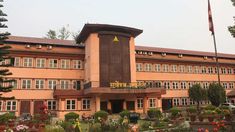
The Supreme Court is the highest authority in Nepal’s judiciary. Located in Kathmandu, it has the final say on interpreting the Constitution and all national laws. The Chief Justice of Nepal leads the Supreme Court. It also has the power of judicial review meaning it can strike down any law that violates constitutional principles. Decisions made by the Supreme Court set legal precedents for all courts across the country.
2. High Courts (Provincial Level)
Nepal has seven High Courts one for each province. They handle appeals from District Courts and also take up certain cases directly. If you are unsatisfied with a District Court decision, the High Court is your next step. High Courts play a vital role in ensuring justice reaches every province under the Nepal legal system.
3. District Courts (Local Level)
For most citizens, the District Court is where legal matters begin. Every district in Nepal has its own District Court. They handle civil disputes, criminal cases, family matters, land issues, and contract disputes. Understanding the District Court is central to understanding how the Nepal legal system functions at the everyday level.
Your Legal Rights Within the Nepal Legal System
A key strength of the Nepal legal system is the protection of fundamental rights. The Constitution of Nepal 2015 guarantees the following rights to every citizen:
- Right to equality no discrimination before the law
- Right to freedom of speech, assembly, and movement
- Right to property ownership, use, and transfer
- Right to a fair trial and legal representation
- Right against unlawful arrest or detention
- Right to education and access to information
- Right to constitutional remedies you can approach courts directly if your rights are violated
These are not just written rules they are legally enforceable. If any government body or individual violates your rights, you can file a writ petition directly at the High Court or Supreme Court.
Key Laws That Govern the Nepal Legal System
Several major acts and codes form the backbone of Nepal’s legal framework:
Muluki Civil Code 2074
This code governs civil and family matters marriage, divorce, child custody, inheritance, property rights, and contract disputes. It is one of the most widely applied laws in the Nepal legal system for everyday legal issues.
Muluki Criminal Code 2074
The Criminal Code covers offences such as theft, fraud, assault, domestic violence, corruption, and cybercrime. Criminal cases are prosecuted by the government through the Office of the Attorney General.
Company Act 2063
The Company Act governs businesses registered in Nepal covering company formation, shareholding, corporate governance, mergers, and dissolution. It is essential knowledge for any entrepreneur or investor operating under the Nepal legal system.
Labour Act 2074
The Labour Act protects workers’ rights across Nepal. It defines employment contracts, minimum wages, leave entitlements, workplace safety standards, and procedures for termination and dispute resolution.
Land and Property Laws
Land disputes are among the most common legal issues in Nepal. The Land Act and related regulations govern ownership, registration, transfer, and inheritance of property. Any property transaction must comply with these laws to be legally valid.
Challenges Facing the Nepal Legal System Today
Despite its strong foundation, the Nepal legal system faces practical challenges that affect how quickly and fairly justice is delivered:
- Case backlogs — courts handle a high volume of cases, causing delays in verdicts
- Geographic barriers — citizens in remote areas struggle to access courts and legal services
- Low legal awareness — many people do not know their rights or how to enforce them
- Cost of legal proceedings — fees can be a barrier for low-income individuals and families
These challenges are being actively addressed through judicial reforms, legal aid programmes, and the work of law firms like Lawgistic Nepal which are committed to making quality legal services accessible across the country.
How Lawgistic Nepal Helps You Navigate the Nepal Legal System
Understanding the Nepal legal system is the first step but taking action requires the right legal support. At Lawgistic Nepal, we are a full-service law firm dedicated to providing clear, effective, and affordable legal services to individuals and businesses across Nepal.
We cover all major areas of law:
- Corporate and business law — registration, contracts, compliance, disputes
- Property and land law — title transfers, registration, dispute resolution
- Family and civil law — divorce, custody, inheritance, civil disputes
- Labour and employment law — contracts, termination, disputes
- Criminal defence — representation and legal advice
- Constitutional matters and public interest litigation
We offer a free initial consultation, bilingual support in Nepali and English, transparent fees, and regular case updates. Our advocates are registered with the Nepal Bar Association and bring years of real courtroom experience.
Conclusion
The Nepal legal system is built to protect you from the Supreme Court in Kathmandu to your local District Court. It guarantees your rights, provides a clear path to justice, and holds everyone equal before the law. The more you understand it, the better equipped you are to protect what matters most.
If you need legal help in Nepal, Lawgistic Nepal is here for you. Contact us today for a free consultation and speak with an advocate who understands the Nepal legal system inside out.
Frequently Asked Questions (FAQ)
What is the Nepal legal system based on?
The Nepal legal system is based on the Constitution of Nepal 2015, which is the supreme law. All other legislation civil codes, criminal codes, labour acts must align with the Constitution.
How many courts are there in the Nepal legal system?
Nepal has a three-tier court system: the Supreme Court (national level), seven High Courts (one per province), and 77 District Courts (one per district).
What are my fundamental rights under the Nepal legal system?
The Constitution guarantees rights including equality before the law, freedom of speech and movement, right to property, right to a fair trial, and the right to approach courts if your rights are violated.
Can I get free legal help in Nepal?
Yes. Nepal has a Legal Aid Act that provides free legal assistance to those who cannot afford a lawyer. Lawgistic Nepal also offers a free initial consultation to help you understand your options.
How do I find the best advocate in Nepal?
Look for advocates registered with the Nepal Bar Association who specialise in your area of need. Lawgistic Nepal has experienced advocates across corporate, property, family, criminal, and constitutional law. Contact us for a free consultation.
Author: Lawgistic Nepal Legal Team | Category: Legal Guide, Nepal Law | Last Updated: 2025
Tags: Nepal legal system, Nepal courts, legal rights Nepal, Nepal judiciary, advocate Nepal, Lawgistic Nepal